Is It Too Late to Start Capturing Memories After a Diagnosis?
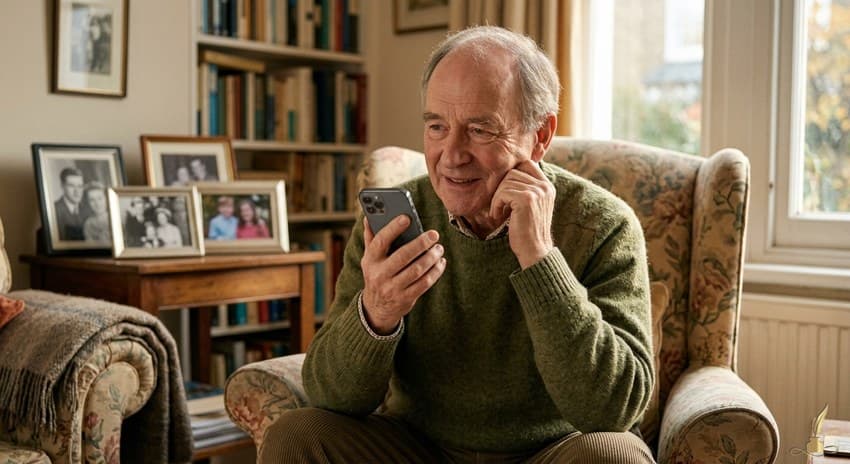
- It is often not too late to start capturing memories after a diagnosis.
- Earlier is better because memories are still more accessible.
- The process can be emotionally meaningful and mentally stimulating.
- A captured life story can become a family heirloom and a source of comfort later.
- Guided support can make the experience easier and more valuable.
Is it too late?
No — in many cases, it is not too late at all. In fact, a diagnosis can be the moment when capturing memories becomes most urgent, because the person is still able to recall a great deal, and those memories can still be gathered with care.
That does not mean time is unlimited. It means there is still a window, and that window is worth using. The earlier the story is preserved, the more detail remains available, and the more meaningful the final result will be later.
Why start now?
Starting now matters for two reasons. First, it gives the person a chance to share while their memories are still accessible. Second, it creates something they can return to later, when some of those memories may no longer come as easily.
This is not only about preservation. It is also about comfort. Having a written or recorded life story can become a source of recognition and reassurance when memory changes begin to deepen.
Why is this a good exercise?
Capturing memories can be a gentle way to train recollection. The act of answering thoughtful questions often encourages the mind to move through old places, people, and moments in a calm, guided way.
That process can feel surprisingly rewarding. It brings back details that might otherwise stay hidden, and it helps the person revisit parts of life that still carry warmth, identity, and meaning. The exercise is not about pressure; it is about giving memory a place to breathe.
What makes this especially valuable?
A captured life story becomes more than a personal exercise. It becomes a family heirloom, something that can be passed down, reread, and treasured long after the memories themselves have started to fade.
For the person who is writing or speaking, it offers something even more immediate: a way to revisit what matters most as the disease progresses. A page, a recording, or a beautifully written biography can become a doorway back to the self.
How should you begin?
The best way to begin is gently. Start with familiar chapters: childhood, first homes, family traditions, early work, love stories, important moves, and defining moments. These topics are often easier to remember and easier to talk about.
It helps to keep the process simple and regular. Short sessions often work better than long ones, and a calm environment can make recollection feel safer and more natural.
Why does guidance matter?
When someone is facing memory changes, the process should feel supportive rather than clinical. A good guided biography experience can help the person focus on what they remember without worrying about how it sounds on the page.
That is where a platform like Legacia can be especially helpful. It gives the person a gentle structure, helps turn raw recollections into a meaningful story, and makes the experience feel personal rather than overwhelming. The result is not just a record of facts, but a life story that can be read, revisited, and cherished.
What should you remember?
A diagnosis does not mean the story is over. It means the story deserves to be captured with care, while there is still enough memory left to shape it well.
The best time to begin is usually before it feels comfortable, because waiting often means losing details that cannot be recovered. Starting now gives the person something lasting for themselves, for their family, and for the generations that come after.